

7 Tips for Comfortable Concealed Carry (2026)
Quick answer: Comfortable concealed carry comes from the whole system, not one product: a gun sized for your body, a holster molded for it with a comfortable backer or claw, a stiff gun belt, pants sized up an inch for IWB, and a carry position that suits how you sit and move. Expect a break-in period of a week or two, then adjust ride height, cant and position.
Reviewed and updated October 31, 2026 by Daniel Guerra. General guidance; no new hands-on testing was done for this update.
| Fix | Why it helps |
|---|---|
| Gun belt | Stops the holster from sagging and digging in |
| Pants one size up (IWB) | Makes room for the holster inside the waistband |
| Adjust cant and ride height | Moves pressure points and tucks the grip |
| Try another position | Appendix, 3:00 and 4:00 feel very different seated |
| Smaller or thinner gun | Grip length and width drive comfort and printing |
Start with our best gun belts, best holsters and carry positions guide.
Read Ultimate Guide To Concealed Carry
Discomfort is the number one reason people stop carrying. The good news is that most of it comes from a few fixable causes: a soft belt, tight pants, the wrong holster settings or a position that fights your body. Work through these tips in order; the first three solve most problems.
1. Start With a Real Gun Belt
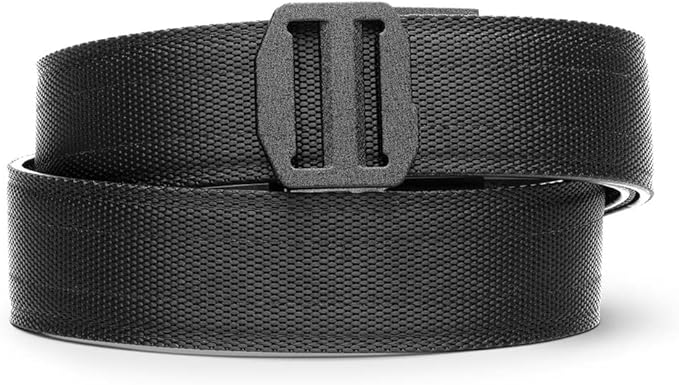
A regular belt bends under the weight of a gun, so the holster tips outward, the grip digs into your side and the whole rig sags through the day. A purpose-built gun belt, reinforced leather or stiffened nylon, holds the holster flat and spreads the weight around your waist. Match the width to your holster clips (1.5 inches is most common). Ratchet belts make it easy to loosen a notch when you sit. See our best gun belts and leather vs nylon comparison.
2. Size Your Pants for the Holster
An IWB holster and gun take up roughly an inch of waistband. If your pants already fit snugly, the holster gets pressed into your hip or abdomen all day. Going up one waist size, or choosing pants with some stretch, often makes more difference than changing holsters. Snug the belt to hold everything tight; the belt, not the pants, should carry the weight.
3. Tune the Holster Before Replacing It
Most quality holsters can be adjusted. Change one setting at a time and wear it for a day:
- Ride height: lowering the gun reduces how much the grip pokes your ribs; raising it can stop the muzzle from pressing into your leg when you sit.
- Cant: a forward tilt at 3 to 4 o’clock often tucks the grip and moves the pressure point.
- Claw or wedge (appendix): a foam wedge behind the muzzle end angles the grip in and can relieve pressure on the abdomen.
- Retention: too tight makes adjusting and drawing awkward; too loose lets the gun shift.
If adjustments do not help, a different design may. Hybrid holsters with a wide backer spread weight over a larger area and suit many people, especially at 4 o’clock. See our best holsters and holster materials comparison.

4. Find the Position That Fits Your Body
Different positions put pressure in different places. Appendix (1 to 2 o’clock) is comfortable for many people standing and conceals well, but can press into the stomach or thigh when seated, especially with a longer barrel. Strong side at 3 to 4 o’clock is the most common and comfortable seated for many people. Behind the hip at 5 o’clock hides well but presses into car seats. Body shape matters: people with a larger midsection often find 4 o’clock or OWB more comfortable than appendix. Our concealed carry positions guide compares each, and concealed carry for big guys covers larger frames.
5. Choose a Gun Size You Will Actually Carry
The grip is what prints and digs in; the barrel length matters most when sitting with appendix carry. A shorter grip and thinner slide make all-day carry easier. Many people find a micro-compact 9mm the best balance of capacity, shootability and comfort. If a full-size pistol is your only gun, see how to carry a full-size handgun. See best concealed carry guns for options.
6. Dress for It

Comfort and concealment go together: when the gun prints, people tend to tighten everything, which makes it less comfortable. Patterned or heavier fabrics hide outlines, a slightly looser fit over the holster gives the grip room, and an undershirt keeps the holster edge off your skin. For athletic wear, see how to carry in sweatpants and shorts, and for avoiding outlines, how to conceal without printing.
7. Give It Two Weeks, Then Adjust

New carriers notice the gun all day for the first week or two. That usually fades as you get used to it and as Kydex edges and leather backers settle. Keep a short note of where it hurts and when (sitting, driving, bending) and use that to adjust ride height, cant or position. Practice drawing and re-holstering with an unloaded gun in your usual clothes after each change, since adjustments affect your grip.
Never adjust a carried gun in public by grabbing the grip through your clothing. If you need to move it, do it somewhere private, keep your finger off the trigger, and leave the gun in the holster.
Related reading: Small of Back Carry: Why You Should Avoid It · How To Conceal Your Firearm Without Printing · Concealed Carry for Big Guys: Positions & Holsters · 7 Common Concealed Carry Mistakes (and How To Fix Them)
Comfortable Carry FAQ
Why is my concealed carry holster uncomfortable?
Common causes are a flimsy belt, pants that are too tight, the wrong ride height or cant, or a position that does not suit your body. Fix the belt and pants first.
How long does it take to get used to carrying?
Many people adjust within one to two weeks of daily carry, especially after fine-tuning holster position and belt tension.
What is the most comfortable carry position?
It depends on your body. Many people find appendix comfortable standing and 4 o’clock comfortable seated; OWB is usually the most comfortable but needs a cover garment.
Should I size up my pants for IWB carry?
Often yes, by about one inch at the waist, or choose pants with a little stretch.
Conclusion
Comfortable carry is built from the ground up: a stiff gun belt, pants with room for the holster, a holster tuned for ride height and cant, a position that suits your body and a gun sized for daily carry. Give each change a few days, adjust one thing at a time, and most carriers end up with a setup they barely notice.


