

7 Common Concealed Carry Mistakes (and How To Fix Them)
Quick answer: The most common concealed carry mistakes are using a cheap or ill-fitting holster that leaves the trigger exposed, carrying in a position that does not suit your body, skipping a real gun belt, choosing a gun or ammo you cannot shoot well, not knowing your state and local laws, not training, and not carrying consistently. Each is easy to fix once you know about it.
Reviewed and updated October 31, 2026 by Daniel Guerra. General guidance; no new hands-on testing was done for this update.
| Mistake | Fix |
|---|---|
| Wrong holster | Model-specific holster with full trigger-guard coverage |
| Bad carry position | Test appendix, 3:00 and 4:00 sitting, driving and moving |
| No gun belt | Reinforced 1.5-inch gun belt |
| Poor gun or ammo choice | A gun you shoot well with quality hollow points |
| Not knowing the law | Learn prohibited places, duty to inform and reciprocity |
| No training | Take a class; practice dry and live |
| Not carrying daily | Build a setup comfortable enough to carry every day |
Fix them with our holster guide, gun belt guide, carry positions and traffic stop guide.
Read our 5 Step Guide to Concealed Carry
Common Concealed Carry Mistakes

New and experienced carriers alike make these. Each one is easy to fix once you spot it.
1. Wrong Holster
- Exposed trigger: soft, generic or worn-out holsters can let clothing or fingers reach the trigger. Use a rigid, model-specific holster that fully covers the trigger guard.
- Wrong holster for the position: an appendix holster rarely works at 4 o’clock, and the reverse. Match the holster to where you carry.
- Poor retention: the gun should stay put when you run, sit or bend over.
Read: Best Holsters For Concealed Carry
2. Carry Position That Does Not Fit You
- Small of the back: uncomfortable seated, slow to draw and risky in a backward fall. See small-of-back carry.
- Ankle carry: concealable but slow, especially when standing or moving.
- Off-body carry: purses and bags can be stolen, set down or left behind. If you use one, keep it under control at all times.
- Appendix and pocket: both work well for many people but not every body type, gun or wardrobe.
Test any position sitting, driving, bending and moving before you commit. Read: Guide to Concealed Carry Positions
3. No Real Gun Belt
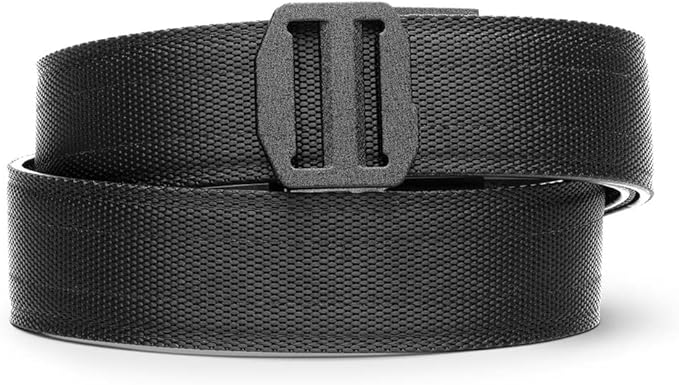
A regular belt lets the holster sag and tip outward, which prints and makes the draw inconsistent. A reinforced 1.5-inch gun belt holds the gun tight to your body, spreads the weight and makes daily carry comfortable enough to stick with.
Read: Best Concealed Carry Belts
4. Poor Gun or Ammo Choice
- Too small: the tiniest guns are easy to hide but have more recoil, less capacity and are harder to shoot well.
- Too big: a gun that is uncomfortable or prints badly tends to get left at home.
- Wrong ammo: carry quality hollow points designed for self-defense; use cheaper FMJ for practice. See hollow point vs FMJ.
- Untested ammo: run your carry load through your gun before trusting it.
| Gun size | Recoil | Capacity | Concealment | Typical positions |
|---|---|---|---|---|
| Small (micro / pocket) | Higher | Lower | Excellent | Pocket, appendix, ankle |
| Compact | Moderate | Medium to high | Good | Appendix, strong-side IWB |
| Full size | Lower | Highest | Harder | OWB, IWB with longer cover garment |
Read: Best Concealed Carry Guns and Best Concealed Carry Ammo
5. Not Knowing the Law
- State rules vary: permits, permitless carry, prohibited places, duty to inform and use-of-force laws differ by state.
- Local and federal places: courthouses, schools, post offices, federal buildings and posted businesses may be off-limits.
- Travel: your permit may not be valid elsewhere. Check concealed carry reciprocity and traveling with firearms.
- Traffic stops: know whether you must inform officers; see our traffic stop guide.
- Laws change: check official state sources regularly.
6. Skipping Training
- Take a class beyond the permit minimum: drawing from concealment, malfunctions and decision-making.
- Practice the draw dry with an unloaded gun and your actual holster and clothing.
- Shoot regularly with your carry gun, including any red dot or light you use.
- Learn the legal side of self-defense, not just marksmanship.
7. Not Carrying Every Day
Emergencies do not announce themselves, and a gun at home does not help. The fix is a setup comfortable enough that daily carry becomes habit: the right holster, belt, position and gun size. Many carriers also add concealed carry insurance for legal protection.

Related reading: Should You Carry an Extra Magazine for Concealed Carry? · Situational Awareness: 4 Skills Every Concealed Carrier Needs
Concealed Carry Mistakes FAQ
What is the biggest concealed carry mistake?
Using a holster that does not fully cover the trigger guard or does not fit the exact gun.
Should beginners carry every day?
Consistency builds safe habits. Start once you have training, a proper holster and belt, and know your local laws.
Do I need concealed carry insurance?
It is not required, but many carriers buy carry insurance or a legal-defense membership to cover legal costs after a self-defense incident.
Conclusion

Most carry mistakes come from gear that does not fit, positions that do not suit your body or skipped homework on laws and training. Fix the holster, belt and position first, carry quality ammo in a gun you shoot well, learn the laws where you carry and train regularly. Then carry every day.


