3 Things To Look For In A Concealed Carry Gun
Choosing the right concealed carry gun impacts both safety and confidence. The right firearm must be reliable, easy to conceal, and balance size with capacity. After testing many handguns, I’ve learned that what looks good on paper doesn’t always work in real life.
A carry gun needs to function flawlessly when it matters most. It should also be comfortable enough for daily carry without printing or feeling like a burden. More rounds are great, but not if they make the gun too bulky.
Read Best Concealed Carry Guns
This guide breaks down the three key factors—reliability, concealability, and capacity vs. size—so you can make an informed decision. No matter how you carry, understanding these aspects will help you choose the best gun for your needs.
Concealed Carry Gun Reliability
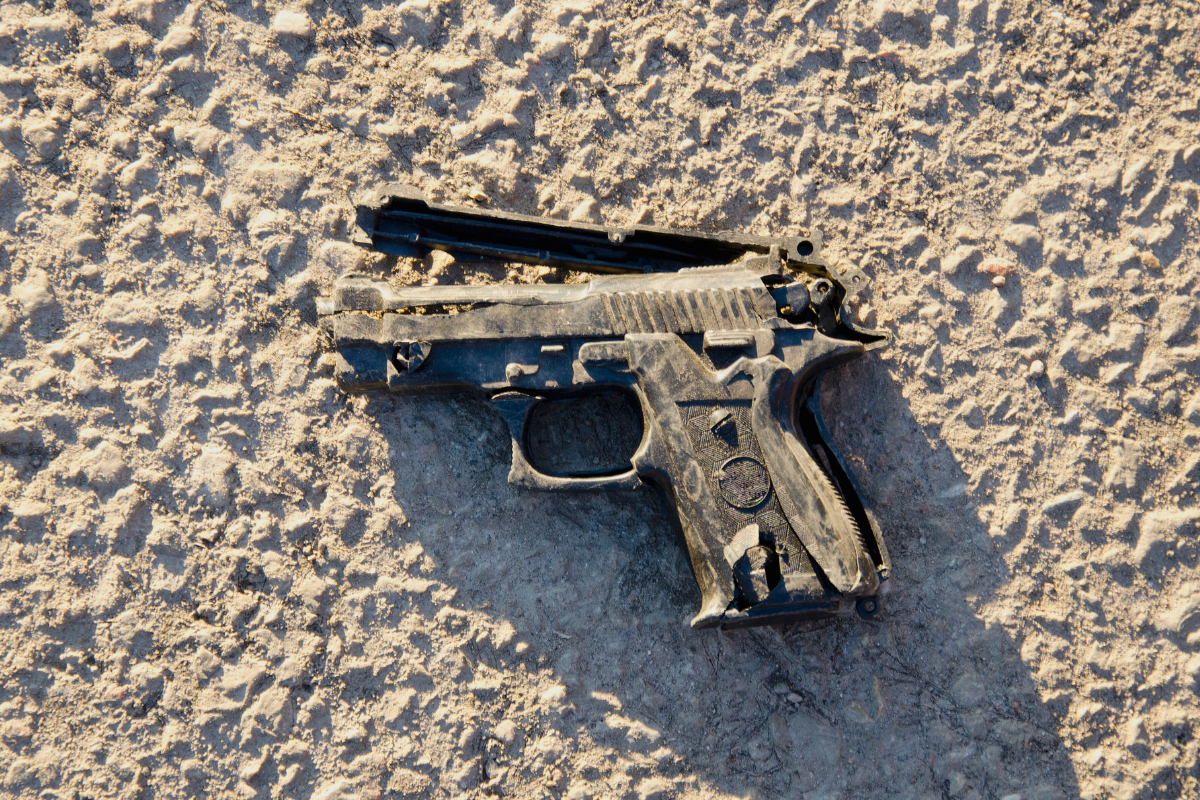
Reliability is the most important factor when choosing a concealed carry gun. A firearm that fails to function when you need it most is a liability. The last thing you want is a misfire or jam during a critical moment. In my experience, reliability comes down to a few key aspects: build quality, design, and maintenance.
Build Quality
High-quality materials and solid construction are vital for a reliable firearm. Guns made with durable, corrosion-resistant materials like stainless steel or polymer tend to hold up well over time, even with frequent use. For example, many of the top models from Glock and Sig Sauer use these materials to ensure longevity and performance under pressure.
Design Features
Certain design elements contribute to a gun’s reliability. A smooth, well-machined chamber ensures that rounds feed properly, while a tight, consistent spring system helps prevent jams. Guns with minimal moving parts and a simple design (like the Glock 19) are often more reliable because there are fewer parts to malfunction.
Maintenance
Reliability also comes down to how well you maintain your firearm. Regular cleaning, lubrication, and inspection can prevent malfunctions. Even the most reliable gun can fail if neglected, so routine upkeep is essential.
Table: Reliability Ratings
Here’s a comparison of reliability based on expert reviews and user feedback for some of the most popular concealed carry guns.
| Gun Model | Reliability Rating | Common Issues |
|---|---|---|
| Glock 19 | 9.5/10 | Rare stovepipes |
| Glock 43X | 9/10 | Occasional break-in period |
| Sig Sauer P365 XMacro | 9.5/10 | Rare feeding issues |
| Sig Sauer P365 | 9.5/10 | Rare feeding issues |
| Smith & Wesson Shield Plus | 9.5/10 | None reported |
| Springfield Hellcat | 9/10 | Occasional slide issues |
This table offers a quick comparison of the reliability of some top choices, with most models maintaining solid performance when properly maintained.
Concealed Carry Gun Concealability

Read 7 Tips For Comfortable Concealed Carry
Concealability is a critical factor when selecting a concealed carry gun. The ability to comfortably and discreetly carry your firearm is key to effective everyday carry. A gun that’s too large or too heavy can make carrying uncomfortable or even impractical, leading to inconsistent practice or not carrying at all.
Size and Weight
The size and weight of a concealed carry gun directly impact how easy it is to hide and how comfortable it is to carry. Compact and subcompact pistols are often the go-to for concealed carry because they offer a good balance between comfort and performance.
Lighter weight can make a big difference, especially if you’re carrying all day. The Glock 43X, for example, is known for being easy to conceal due to its slim profile, while the Glock 19, though slightly larger, still provides a balance of size and functionality for most carriers.
Grip Length and Width
The grip is a major factor in how easily a gun can be concealed, particularly for inside-the-waistband (IWB) carry. A longer or wider grip may print through clothing, making it obvious that you’re carrying. For example, the Sig Sauer P365 and Smith & Wesson Shield Plus are both designed with shorter grips, making them easier to conceal without sacrificing too much in terms of capacity.
Carry Method Considerations
The method you use to carry also plays a role in how well a gun conceals. Guns like the Springfield Hellcat and Glock 43X work well for appendix carry or inside-the-waistband (IWB) carry because of their slim designs. If you’re planning to pocket carry, you’ll need a gun small enough to fit comfortably, like the Glock 43X or the P365.
Clothing and Printing
Consider your typical wardrobe when choosing a concealed carry gun. Heavier fabrics can help mask the shape of a larger gun, while lightweight fabrics might make a smaller gun more suitable. A gun that’s easy to conceal with a jacket may not be as easy to hide under a t-shirt. Think about how you plan to dress day-to-day, especially in warmer weather when lighter clothing is common.
Ultimately, concealability comes down to finding a firearm that fits your lifestyle, carrying method, and personal preferences. The best concealed carry gun is one that you’re comfortable with and will actually carry consistently.
Concealed Carry Gun Capacity vs Size Balance

When selecting a concealed carry gun, there’s always a trade-off between capacity and size. A higher-capacity magazine means more rounds in your firearm, which can provide an advantage in a self-defense situation.
However, this often comes at the cost of a larger and bulkier gun, which can make concealability more difficult. Finding the right balance between the two is key to choosing a gun that fits both your needs and your comfort level.
Capacity Considerations
For many concealed carriers, the goal is to have enough rounds to feel secure but not so many that the gun becomes cumbersome. Typically, subcompact pistols like the Glock 43X or Sig Sauer P365 hold fewer rounds but are easier to conceal, while compact models like the Glock 19 or Springfield Hellcat Pro offer more capacity but come with a slightly larger size.
Caliber
Caliber also plays a significant role in this balance. Larger calibers like .45 ACP provide more stopping power but often result in larger, heavier guns with lower capacity. On the other hand, smaller calibers like 9mm strike a balance between manageable recoil, adequate stopping power, and higher capacity.
Many of today’s popular concealed carry guns like the Glock 43X, Sig Sauer P365, and Smith & Wesson Shield Plus are chambered in 9mm, offering a good combination of both.
Gun Size vs Magazine Capacity
While full-size handguns may offer the highest capacity, they aren’t practical for concealed carry due to their size. Compact and subcompact models strike a balance by offering enough rounds while still being small enough to conceal.
For instance, the Glock 19, with a 15-round magazine, is a popular choice because it provides a solid capacity without being too bulky. Meanwhile, the Sig Sauer P365, with its 10+1 round capacity, is a smaller choice but still offers a good amount of firepower for everyday carry.
Table: Capacity vs Size Comparison
Here’s a comparison of magazine capacity, overall size, and weight for some of the most popular concealed carry guns.
| Gun Model | Capacity (9mm) | Overall Length | Weight (Unloaded) |
|---|---|---|---|
| Glock 19 | 15+1 | 7.36 inches | 23.65 oz |
| Glock 43X | 10+1 | 6.06 inches | 20.7 oz |
| Sig Sauer P365 XMacro | 17+1 | 6.6 inches | 21.5 oz |
| Sig Sauer P365 | 10+1 | 5.8 inches | 17.8 oz |
| Smith & Wesson Shield Plus | 10+1 | 6.1 inches | 20.2 oz |
| Springfield Hellcat | 11+1 | 6 inches | 18.3 oz |
This table compares the magazine capacity, size, and weight of several concealed carry models, helping you see how each one balances capacity with its overall size and weight.
Additional Considerations For A Concealed Carry Gun
Beyond reliability, concealability, and capacity, there are a few more factors to consider when selecting a concealed carry gun. These aspects might not be as immediately obvious, but they can significantly affect your choice and overall experience.
- Ergonomics:
A gun that fits comfortably in your hand is much easier to control and shoot accurately. Pay attention to the grip texture, shape, and size. A well-designed grip will make your gun more manageable, especially during extended shooting sessions or under stress. Consider models like the Sig Sauer P365 XMacro or Glock 43X, known for their ergonomic designs. - Trigger Quality:
A smooth, consistent trigger pull is essential for accurate shooting. Some concealed carry guns have a lighter, smoother trigger that improves accuracy, while others may have a heavier or less consistent pull. Test different models to see which one feels the most natural to you. - Aftermarket Support:
The availability of accessories like holsters, sights, and extended magazines can be a big advantage. Guns like the Glock 19 and Smith & Wesson Shield Plus have extensive aftermarket support, giving you more options for customization and upgrades. - Recoil Management:
Even with a compact gun, managing recoil is important for effective follow-up shots. If you’re new to concealed carry or firearms in general, guns with lower recoil (like the Sig Sauer P365) may help you shoot more comfortably and accurately. - Price:
While price isn’t always an indicator of quality, it’s a factor for many buyers. Consider your budget, but also keep in mind that spending a little more on a reliable and durable firearm can pay off in the long run. Guns like the Glock 19 or Sig Sauer P365 XMacro may be a bit pricier but offer excellent reliability and longevity. - Training and Familiarity:
Regardless of which gun you choose, getting comfortable with it through regular practice is crucial. Familiarity with your firearm increases your confidence and reaction time in high-stress situations. Consider how easy it is to handle and how well you can train with the gun over time.
These additional factors will help refine your decision and ensure you choose a concealed carry gun that meets both your practical and personal preferences.
Conclusion

A Simple 5-Step Guide to Improve Your Concealed Carry Experience!
Our guide will help you:
- Boost your self-defense confidence.
- Gain critical concealed carry knowledge.
- Learn what you need for optimal self defense
Selecting the right concealed carry gun is about finding the right balance between reliability, concealability, and capacity while considering your personal preferences. Whether you prioritize a slim profile for easy concealment or a higher round count for peace of mind, it’s essential to pick a firearm that fits both your needs and your lifestyle.
In the end, the best concealed carry gun is one you feel confident and comfortable carrying every day. Regular practice and proper maintenance will ensure your firearm is always ready when you need it most, so take the time to make an informed decision and choose wisely.