

5 Best Tourniquets for EDC & Concealed Carry
A tourniquet is one of the most important tools for EDC and concealed carry. In a medical emergency, stopping severe bleeding fast can save a life. Every gun owner should carry one as part of their gear.
Not all tourniquets work well for everyday carry. Some are compact and easy to conceal, while others focus on durability or quick application. Choosing the right one depends on your needs.
This guide covers the best tourniquets for EDC and concealed carry. Each was selected for its reliability, ease of use, and real-world performance.
Best Tourniquets List
- Best Overall: Combat Application Tourniquet (CAT) Gen 7
- Best For Concealed Carry: SWAT-T Tourniquet
- Best For Ease of Use: SAM Extremity Tourniquet (SAM-XT)
- Best For Durability: SOF Tactical Tourniquet Wide (SOFTT-W)
- Best For Dogs: TacMed K9 Tourniquet
5 Best Tourniquets
The tourniquets listed below have been tested and trusted by professionals. Each one excels in a specific area, whether it’s compact size for deep concealment, durability for harsh conditions, or ease of application when seconds count.
1. Combat Application Tourniquet (CAT) Gen 7

- Official tourniquet of the U.S. Army—battle-proven reliability.
- One-handed application for self-aid in emergencies.
- Durable Velcro and windlass system hold tight under stress.
- CoTCCC-approved, trusted by professionals worldwide.
Pros
Cons
My top pick for the best overall tourniquet is the CAT Gen 7. It’s the most widely used tourniquet among military, law enforcement, and first responders, and for good reason. The one-handed design makes it easy to apply under stress, and the windlass system provides strong, reliable pressure to stop severe bleeding.
I like that it’s durable, proven in real-world emergencies, and compact enough to carry daily. While it’s not the smallest option, it’s the one I trust most for critical situations. If you want a tourniquet that’s been tested and relied on by professionals, the CAT Gen 7 is the best choice.
2. SWAT-T Tourniquet
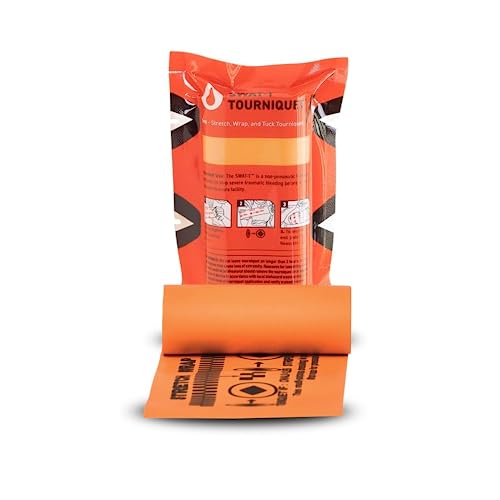
- Stretch-and-tuck design doubles as a pressure dressing or wrap.
- Thinnest profile—slips into a wallet or pocket effortlessly.
- Affordable price point, often under $15.
- Simple application, even for untrained users.
Pros
Cons
The SWAT-T Tourniquet is my top choice for concealed carry. Its compact, flexible design makes it incredibly easy to carry without adding bulk to your gear. The soft, stretchable band can be rolled up small enough to fit into a pocket or pouch, making it perfect for everyday carry.
What I like most about the SWAT-T is its simplicity. There’s no complicated mechanism—just stretch, twist, and secure. While it may not be as quick to tighten as some other tourniquets, its small size and ability to double as a bandage make it a great option for concealed carry. If you need a tourniquet that’s easy to carry and effective in an emergency, the SWAT-T is a solid choice.
3. SAM Extremity Tourniquet (SAM-XT)
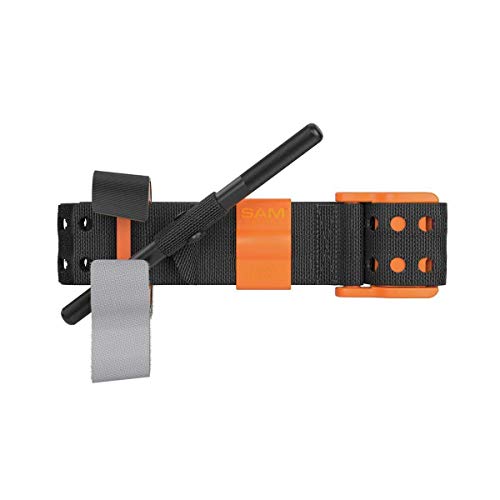
- Pre-set holes and locking prongs eliminate slack before tightening.
- Metal windlass ensures consistent pressure with less effort.
- CoTCCC-approved, meeting rigorous standards.
- Weather-resistant strap holds up in harsh conditions.
Pros
Cons
The SAM Extremity Tourniquet (SAM-XT) is my go-to pick for ease of use. It’s designed for quick application, even in high-stress situations, making it perfect for those who might be new to tourniquets or want a simple, effective option. The SAM-XT features a one-handed application system that ensures you can stop bleeding fast, even if you’re injured yourself.
What stands out to me is how straightforward the design is. The windlass mechanism is easy to adjust, and the closure strap holds securely in place. It’s also lightweight and compact, which makes it a great addition to any EDC kit. If you want a tourniquet that’s simple to use under pressure and reliable in an emergency, the SAM-XT is a top choice.
4. SOF Tactical Tourniquet Wide (SOFTT-W)

- Aluminum windlass resists bending or breaking under pressure.
- Wider strap (1.5”) reduces tissue damage and pain.
- Quick-release buckle for fast removal after use.
- CoTCCC-approved, built for extreme conditions.
Pros
Cons
The SOF Tactical Tourniquet Wide (SOFTT-W) is my top pick for durability. Built for military and tactical use, this tourniquet is made from heavy-duty materials that can withstand extreme conditions. The wide strap design offers increased surface area, making it highly effective at controlling blood flow, even in larger limbs or when applied under stress.
What I appreciate most about the SOFTT-W is its rugged construction. It’s designed to hold up over time, even with repeated use. The simple yet reliable mechanism allows for fast, efficient application, and the wide strap helps to minimize pain while applying pressure. If you need a tourniquet that can stand up to tough conditions and keep performing when it matters most, the SOFTT-W is a solid choice.
5. TacMed K9 Tourniquet

- Designed for canine tapered limbs, prevents compression loss.
- Integrated traction tech stops slippage during movement.
- Quick application high on the limb for fast response.
- Durable build for tactical K9 emergencies.
- Tailored for K9 handlers, not human use.
Pros
Cons
The TacMed K9 Tourniquet is specifically designed for our four-legged companions, making it the best option for canine first aid. This tourniquet is built to fit the anatomy of dogs, with a wider strap and adjustable design that ensures a secure fit, even on larger dogs.
What I like about the TacMed K9 is that it’s designed with simplicity in mind—easy to apply in high-pressure situations, just like a human tourniquet, but tailored to handle the unique needs of dogs. It’s durable, lightweight, and effective, making it an essential tool for any K9 handler or pet owner who wants to be prepared for emergencies. If you’re looking for a tourniquet that’s purpose-built for dogs, the TacMed K9 is the top choice.
Disclaimer: This article is for informational purposes only and is not a substitute for professional medical advice or training. We are not medical professionals. Always seek proper instruction from qualified experts on the use of tourniquets and other first aid techniques.
How We Chose These Tourniquets

Selecting the best tourniquets for EDC and concealed carry requires a balance of effectiveness, portability, and ease of use. A tourniquet isn’t just another piece of gear—it’s a lifesaving tool that needs to perform under extreme pressure. We focused on tourniquets that are widely trusted by medical professionals, law enforcement, and military personnel while also being practical for everyday carry.
Here’s what we considered when making our picks:
- Proven Effectiveness – Every tourniquet on this list has been tested in real-world emergencies or recommended by professionals in trauma care.
- Ease of Use – In a crisis, applying a tourniquet should be quick and manageable, even with one hand or under stress. Complicated designs can cost precious seconds.
- Portability – An EDC tourniquet should be compact enough to carry daily, whether in a pocket, pouch, or ankle rig, without adding unnecessary bulk.
- Durability – A good tourniquet must be built to withstand harsh conditions and function properly when needed most. Inferior materials or weak construction could lead to failure in an emergency.
- Versatility – Some situations call for a more compact option, while others require maximum strength and adjustability. We included options that fit different carry preferences and scenarios, including K9 applications.
These selections provide the best mix of reliability, practicality, and performance. Whether you prioritize concealability, ease of use, or all-around effectiveness, this guide will help you find the right tourniquet for your EDC setup.
Tips on Using Tourniquets

Having a tourniquet is one thing—knowing how to use it correctly is another. In an emergency, proper application can mean the difference between life and death. Here are key tips for using a tourniquet effectively:
- Apply High and Tight – Place the tourniquet as high as possible on the injured limb, closer to the body. This helps cut off blood flow effectively.
- Tighten Until Bleeding Stops – Simply placing a tourniquet isn’t enough. Tighten it until the bleeding completely stops—this may be more pressure than expected.
- Do Not Loosen or Remove – Once applied, do not loosen or remove the tourniquet until medical professionals take over. Doing so can restart severe bleeding.
- Use on Limbs Only – Tourniquets are only effective on arms and legs. For wounds on the neck, torso, or groin, use wound packing and direct pressure instead.
- Mark the Time – Note the time of application. Medical responders need to know how long it has been in place to prevent complications. Writing the time directly on the tourniquet or the patient’s skin is common practice.
- Train Regularly – In an emergency, stress can make simple tasks difficult. Practicing with your tourniquet ensures you can apply it quickly when it matters most.
A tourniquet is a lifesaving tool, but only if used correctly. Take the time to train, carry it in an accessible location, and always be prepared to act when needed.
Conclusion

A Simple 5-Step Guide to Improve Your Concealed Carry Experience!
Our guide will help you:
- Boost your self-defense confidence.
- Gain critical concealed carry knowledge.
- Learn what you need for optimal self defense
A quality tourniquet is a must-have for anyone serious about EDC and concealed carry. Severe bleeding can become fatal in minutes, and having the right tool—along with the knowledge to use it—can save lives.
The tourniquets in this guide offer the best options for different needs, whether you prioritize concealability, ease of use, or maximum durability. Carrying one is only part of the equation—regular training and proper application are just as important.
Make sure your tourniquet is always accessible, know how to use it under stress, and be prepared for emergencies. Having the right gear is important, but being ready to act is what truly makes the difference.


