3 Things To Look For In A Concealed Carry Belt
Choosing the right concealed carry belt is crucial for a comfortable and secure carrying experience, just like selecting the perfect holster. A reliable belt not only supports the weight of your firearm but also ensures it stays in place throughout the day. Having tested numerous options myself, I’ve learned that initial comfort doesn’t always translate into long-term usability.
A quality concealed carry belt should provide stability, distribute weight evenly, and resist sagging or twisting. The last thing you want is a belt that fails to support your firearm properly or becomes uncomfortable after a few hours of wear.
Read Best Concealed Carry Gun Belts
This guide focuses on three essential factors—sturdiness & support, comfort & adjustability, and discreetness & style—to help you find the ideal belt for your concealed carry setup. Whether you prefer IWB, OWB, or appendix carry, understanding these aspects will help you make an informed choice for everyday carry.
Belt Strength & Durability

A concealed carry belt needs to be strong enough to support the weight of your firearm and gear without sagging or wearing out quickly. A weak belt can lead to printing, discomfort, and even difficulty drawing your gun when it matters most.
Belt Brands
A well-made belt should provide the right balance of rigidity, comfort, and adjustability to keep your firearm secure throughout the day. Over the years, I’ve tried several options, and a few brands consistently stand out for their quality and performance. Whether you prefer a reinforced nylon belt for maximum support or a classic leather option for a more traditional look, these brands offer some of the best choices available.
- Kore Essentials – Known for their ratcheting system, Kore belts allow for precise micro-adjustments, making them one of the most comfortable and secure options for all-day carry. Their reinforced cores prevent sagging while providing excellent support.
- CrossBreed – Offering both leather and nylon options, CrossBreed belts are built with concealed carriers in mind. Their leather belts provide a classic look with added strength, while their reinforced nylon belts offer durability and flexibility.
- We The People – Designed for everyday carry, these belts feature a sturdy yet lightweight build with strong buckles and reinforced materials. They provide great support without being overly rigid.
- Relentless Tactical – A solid choice for those who prefer leather, Relentless Tactical belts are thick, durable, and designed to hold up under the weight of a firearm. They offer a classic appearance without sacrificing functionality.
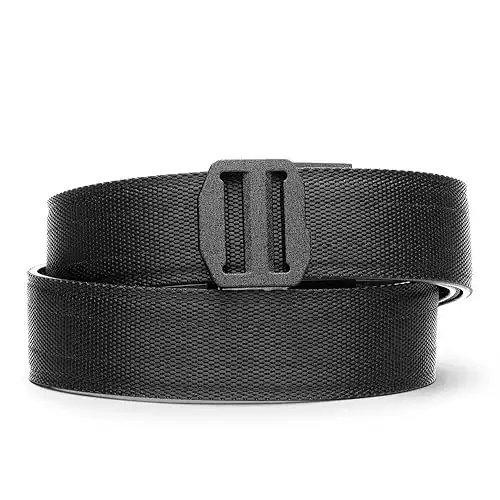
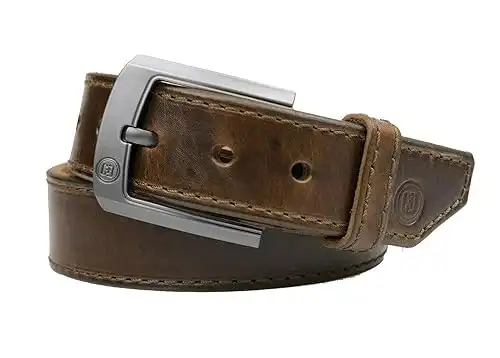

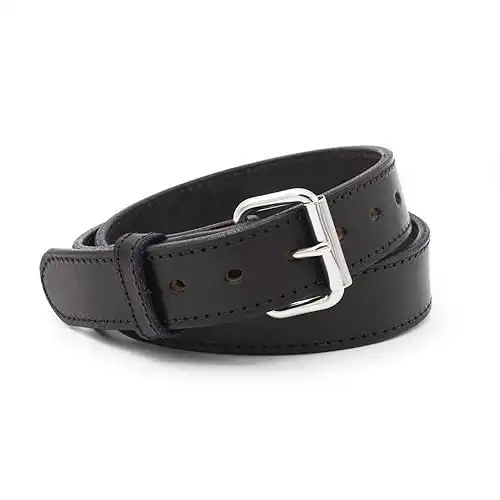
In my experience, strength and durability come down to three key factors: belt material, rigidity, and hardware quality.
Belt Material
The best concealed carry belts are made from reinforced leather or high-strength nylon. Standard department store belts may look sturdy, but they aren’t designed to handle the added weight of a firearm.
A quality leather gun belt is often double-layered and reinforced to prevent stretching over time. On the other hand, heavy-duty nylon belts—especially those with a stiffened core—offer excellent durability while remaining lightweight. Brands like Kore Essentials and Blue Alpha Gear make some of the best options in both materials.
Rigidity
A proper gun belt should be rigid enough to hold your holster and firearm securely without twisting or folding. A belt that flexes too much will cause your holster to shift, making it harder to maintain a consistent draw.
A good test is to hold the belt by one end—if it droops significantly, it’s not rigid enough for concealed carry. Reinforced leather and nylon belts with an internal core (such as polymer or steel) provide the best balance of strength and flexibility.
Hardware Quality
Belt durability isn’t just about the material—it also depends on the buckle and adjustment system. Cheap buckles can loosen over time, and weak stitching can fail under daily wear.
Look for heavy-duty buckles made from steel or aircraft-grade aluminum. Quick-adjust ratcheting systems, like those found on Kore Essentials belts, provide a secure fit without relying on traditional belt holes that wear out over time.
A concealed carry belt is the foundation of your everyday carry setup. Investing in a high-quality belt ensures your firearm stays in place, your holster performs correctly, and you stay comfortable all day long.
Belt Support & Stability
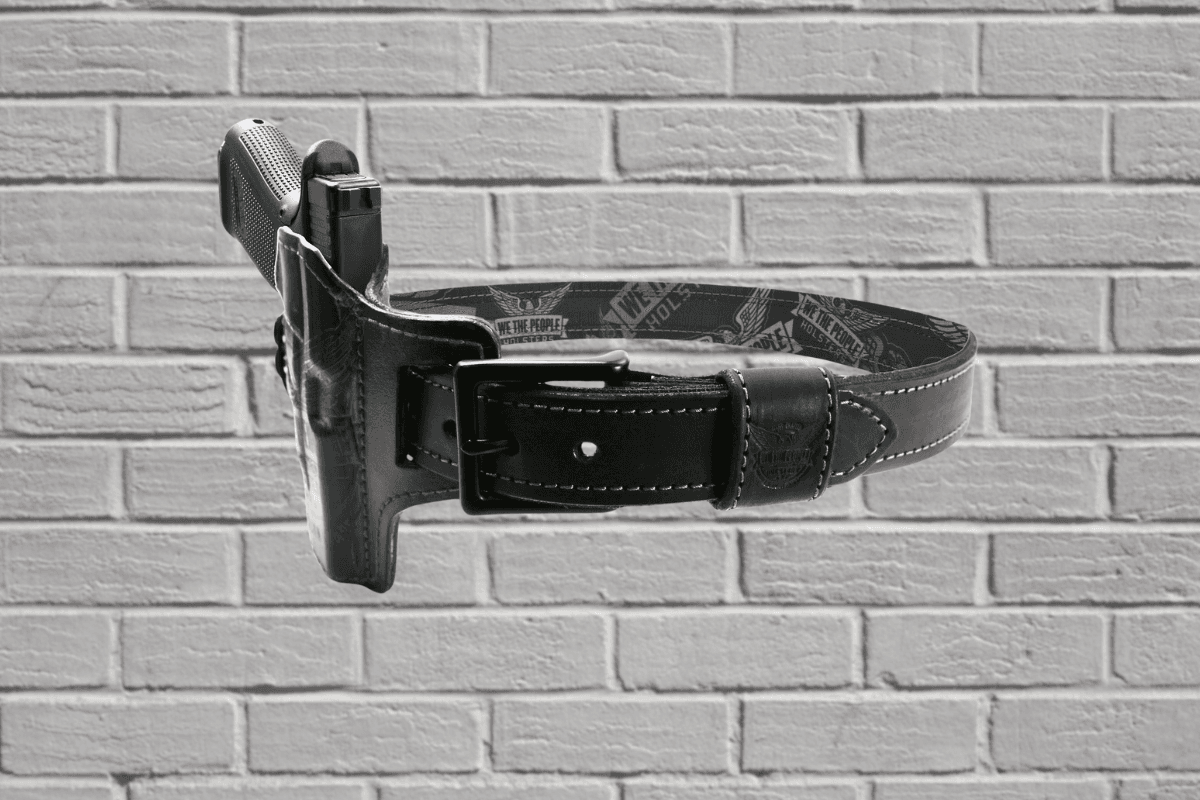
A concealed carry belt needs to provide proper support to keep your firearm secure and stable throughout the day. A weak or flimsy belt can cause your holster to shift, making your draw inconsistent and uncomfortable. The right belt will distribute weight evenly, preventing sagging and keeping your gun in the same position no matter how you move.
This is where high-quality belts stand out. When brands use premium materials and pair them with reinforced designs, the result is a belt that keeps your firearm exactly where you need it.
Belt Thickness and Stiffness
The thickness and stiffness of a belt directly affect how well it supports your holster and firearm. A standard dress or casual belt isn’t built to handle the weight of a gun, often leading to sagging or discomfort.
Gun belts are typically made thicker and reinforced with a stiff core to maintain their shape. A well-constructed belt should remain firm when holding a holster but still allow enough flexibility for comfort. Leather gun belts should be at least 1.5 inches wide and dual-layered, while nylon belts with an internal polymer or steel core offer maximum rigidity.
Weight Distribution
A good concealed carry belt doesn’t just hold your firearm—it helps distribute the weight evenly across your waist. Without proper support, a heavy gun can cause one side of your belt to dip, leading to discomfort and printing.
Belts with reinforced cores prevent this by spreading the weight, keeping both your gun and extra gear (like spare magazines) balanced. Brands like Kore Essentials and Blue Alpha Gear offer belts with internal stiffeners that help maintain even support, no matter what you carry.
Belt Comfort & Adjustability
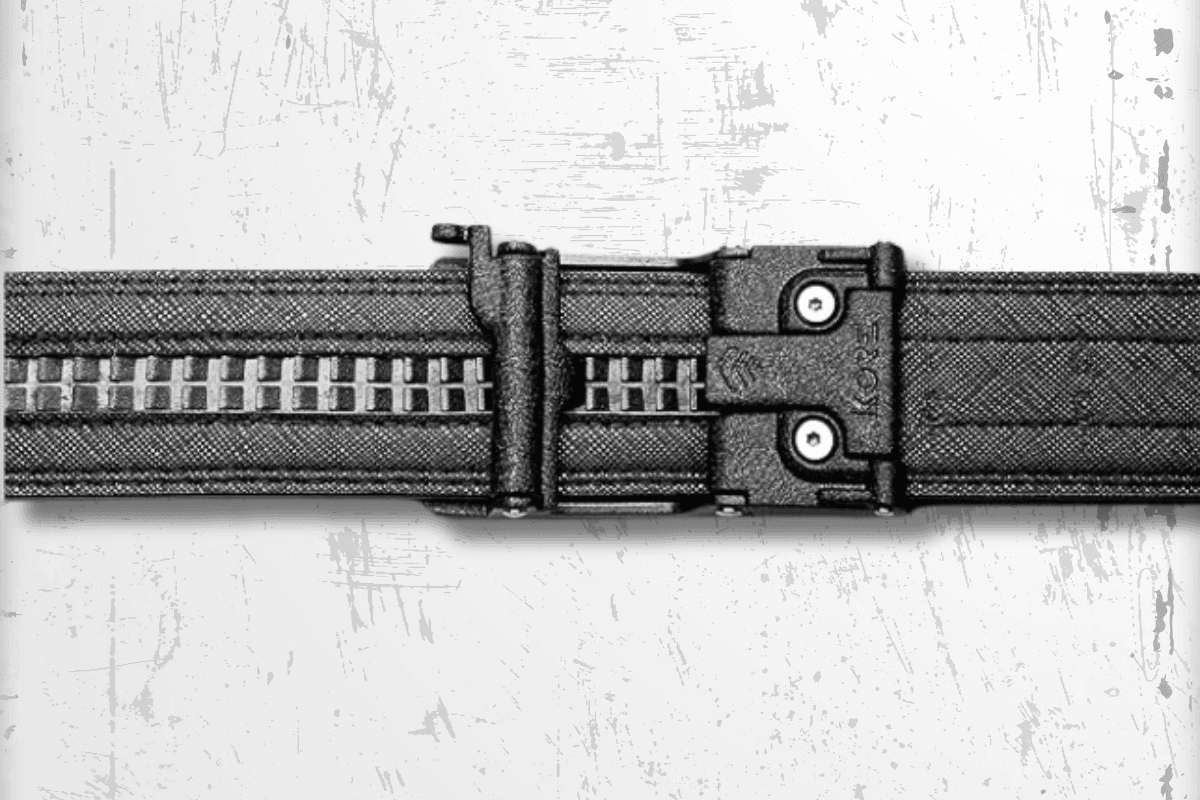
A concealed carry belt should be comfortable enough for all-day wear while providing the adjustability needed for a secure fit. A belt that digs into your waist or becomes too loose throughout the day can make carrying a firearm a hassle. The right belt should feel natural, support your gear, and allow for quick adjustments as needed.
Comfort and adjustability come down to three key factors: belt flexibility, micro-adjustments, and buckle design.
Belt Flexibility
A concealed carry belt needs the right balance of stiffness and flexibility. Too much rigidity can make it uncomfortable when sitting or bending, while a belt that’s too soft won’t provide enough support for your firearm.
Leather gun belts break in over time, conforming to your body while still maintaining structure. Nylon belts with a reinforced core offer a balance of flexibility and durability, making them a great option for those who prefer a lightweight feel.
Micro-Adjustments
Unlike regular belts with pre-punched holes spaced an inch apart, a good concealed carry belt should allow for fine-tuned adjustments. Throughout the day, your waist size can fluctuate, especially when transitioning between sitting, standing, or moving.
Ratchet-style belts, like those from Kore Essentials, allow for small, precise adjustments, ensuring a snug fit without being too tight. Velcro or hook-and-loop belts, like those from Blue Alpha Gear, provide a quick and secure way to make adjustments on the fly.
Buckle Design
The type of buckle on a concealed carry belt plays a huge role in both comfort and ease of use. Traditional pin-and-hole buckles can wear out over time and may not provide the precise fit needed for carrying a firearm.
Quick-release buckles or ratcheting systems offer more convenience, allowing you to adjust tension easily while keeping the belt securely in place. A good buckle should be low-profile to avoid adding bulk or discomfort when carrying appendix or strong-side IWB.
The Right Balance
A high-quality concealed carry belt should be comfortable enough for all-day wear while offering the adjustability needed for a secure and consistent fit. Choosing a belt with the right mix of flexibility, micro-adjustments, and a reliable buckle ensures you stay comfortable and supported no matter how you carry.
Leather vs. Nylon Concealed Carry Belts
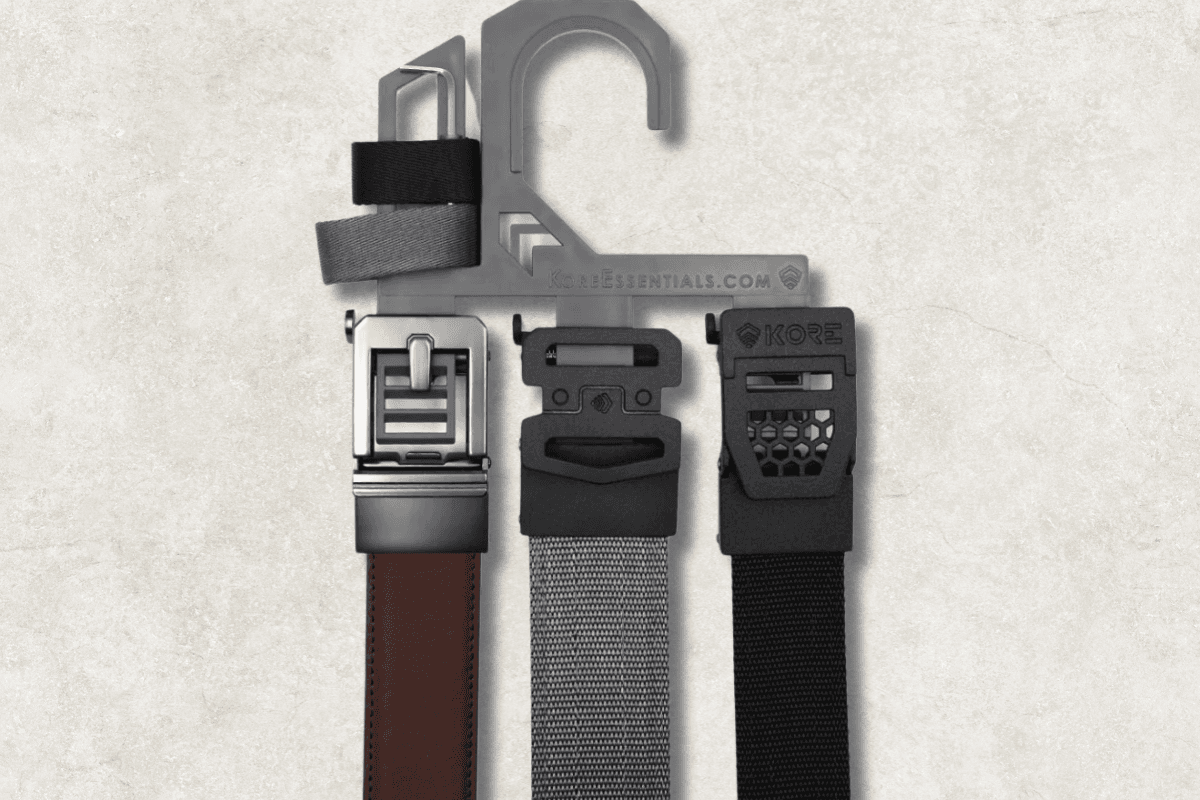
Read Leather vs. Nylon: Choosing Your Gun Belt
When it comes to concealed carry belts, the two main options are leather and nylon. Both have their advantages, and the best choice depends on your carrying needs and personal preferences. While I prefer nylon belts for their strength and adjustability, I still wear a leather one occasionally, depending on what I’m wearing.
Leather Belts
Leather gun belts have been around forever, and for good reason—they offer a classic look with solid support. A high-quality leather belt is thick, double-layered, and reinforced to prevent stretching over time. They work well for both casual and formal wear, making them a great choice if you need a belt that blends in with everyday clothing.
The main downside of leather is that it can lose some rigidity over time. While a well-made leather belt will still support a firearm, it may not be as stiff as a reinforced nylon belt, especially after years of use.
Nylon Belts
Nylon gun belts are designed for maximum strength and adjustability. Most high-quality options feature an internal reinforcement layer—either polymer or steel—to keep the belt from sagging under the weight of a firearm. This added stiffness makes nylon belts ideal for all-day carry, especially if you’re carrying a heavier gun or extra gear.
One of the biggest advantages of nylon belts is their adjustability. Many use a ratcheting or hook-and-loop system that allows for micro-adjustments, ensuring a perfect fit no matter what position you’re in. They’re also lightweight, making them more comfortable for extended wear.
The only downside to nylon belts is their more tactical look. While they work great for everyday carry, they might not blend as seamlessly with business or dress attire.
Leather vs. Nylon Concealed Carry Belt Comparison
| Feature | Leather Belt | Nylon Belt |
|---|---|---|
| Support | Good, but may soften over time | Excellent, reinforced for maximum support |
| Adjustability | Limited to belt holes | Micro-adjustable for a precise fit |
| Comfort | Comfortable once broken in | Lightweight and flexible |
| Durability | Long-lasting but can stretch over time | Highly durable, resists stretching |
| Appearance | Classic look, works well with formal wear | More tactical, casual style |
| Best For | Everyday wear, blending in with normal clothing | Maximum support, adjustability, and all-day carry comfort |
The Best Choice for You
Both leather and nylon belts have their place in concealed carry. If you want a belt that looks great with jeans or business attire, a quality leather gun belt is a solid choice.
But for everyday carry, I prefer nylon for its unmatched strength and adjustability. Whichever you choose, make sure it’s designed specifically for concealed carry—regular department store belts won’t cut it.
Additional Considerations
While strength, stability, and comfort are the most important factors in a concealed carry belt, there are a few other details worth considering:
- Buckle Size & Design – A low-profile buckle helps prevent printing and makes appendix carry more comfortable. Some quick-release designs also allow for easier adjustments.
- Belt Width – Most concealed carry belts are 1.5 inches wide, which fits standard holster loops. Wider belts offer more support but may not fit all pant loops.
- Reinforcement Type – Some belts use a polymer core, while others incorporate steel or other materials. The right choice depends on how much rigidity you prefer.
- Casual vs. Tactical Appearance – If blending in is a priority, a leather belt might be a better choice for everyday wear, while nylon belts offer a more tactical look.
- Price vs. Quality – A good concealed carry belt is an investment. Cheaper belts often wear out quickly or don’t provide the support needed for daily carry.
Taking these factors into account will help you find the best belt for your specific needs, ensuring you stay comfortable and prepared no matter how you carry.
Conclusion

A Simple 5-Step Guide to Improve Your Concealed Carry Experience!
Our guide will help you:
- Boost your self-defense confidence.
- Gain critical concealed carry knowledge.
- Learn what you need for optimal self defense
Choosing the right concealed carry belt is essential for comfort, stability, and overall effectiveness when carrying a firearm. A well-made belt prevents sagging, keeps your holster secure, and ensures a consistent draw when you need it most. While I prefer nylon belts for their strength and adjustability, leather belts have their place—especially when blending in with everyday attire.
No matter which material you choose, the key is investing in a belt specifically designed for concealed carry. Standard department store belts simply don’t provide the support needed for all-day carry. With the right belt, you’ll experience better comfort, improved concealment, and the confidence that your firearm stays exactly where it should.