
Right To Bear vs CCW Safe: Costs and Coverage Compared
Compare Right To Bear and CCW Safe on total cost, bail benefits, civil damages, attorney selection and eligibility before choosing a membership.
Compare Right To Bear and CCW Safe on total cost, bail benefits, civil damages, attorney selection and eligibility before choosing a membership.
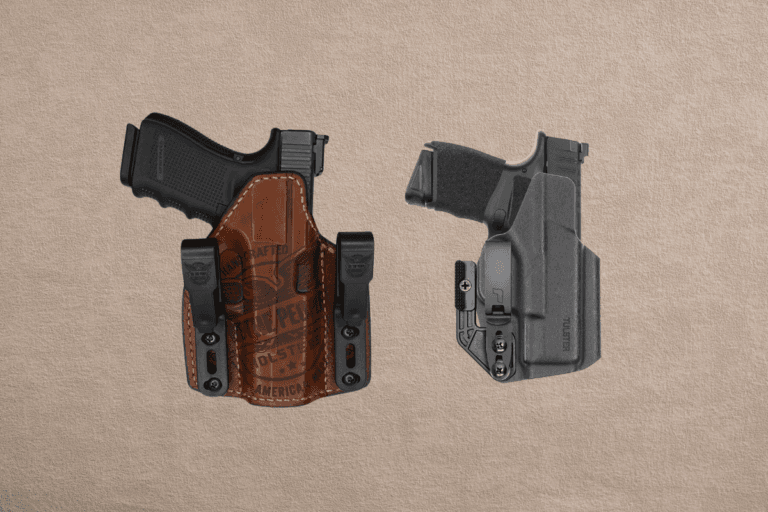
A concealed carry holster can last for years, but daily use eventually takes a toll on even well-made gear. You should replace your holster when it no longer protects the trigger, holds the handgun securely, stays attached to your belt, or allows a consistent draw. There is no standard replacement schedule, so condition matters more…

Most concealed carriers should replace their defensive ammunition every 6 to 12 months. Replace it sooner if it has been repeatedly chambered, exposed to moisture or chemicals, or shows corrosion, bullet setback, or damage. This is a maintenance interval, not an expiration date. Properly stored ammunition can remain functional for decades. How Often Should Concealed…

Imagine a high-stress self-defense scenario where a concealed carrier faces a critical moment but runs out of ammunition. This scenario underscores a crucial debate among concealed carry practitioners: should one always carry an extra magazine? This article explores the benefits, drawbacks, and logistics of carrying a spare magazine to help you make an informed decision….

Hidden Hybrid Holsters has built a strong reputation for offering a balance of comfort, security, and quality craftsmanship. Their hybrid design blends the stability of Kydex with the comfort of leather, making them a popular choice for concealed carry. This review covers their key features, everyday performance, and how they stack up against other holsters…

When it comes to concealed carry, knowing how to pocket carry safely is crucial. Pocket carry offers a convenient and discreet way to stay armed, but it comes with its own set of risks if not done properly. Many concealed carriers overlook key safety steps, leading to poor access, printing, or worse—an unintentional discharge. Learning…
End of content
End of content